
Living your dharma

Psychoanalysis talks about sublimating traumas. This means allowing our lives to take the direction of working with our traumas.
We often choose jobs and engagements that are linked to our traumas.
If this is done unconsciously, it is called repetition compulsion, and leads to actions that forces us to repeat our original trauma time and time again. If it is done for others, it often means that we use them as actors in our drama, instead of helping them heal their own trauma. Or we create antagonists to our cause, instead of bringing others to our side.
If instead the work is done consciously and without projection, it becomes a source of healing, both for us and for others.
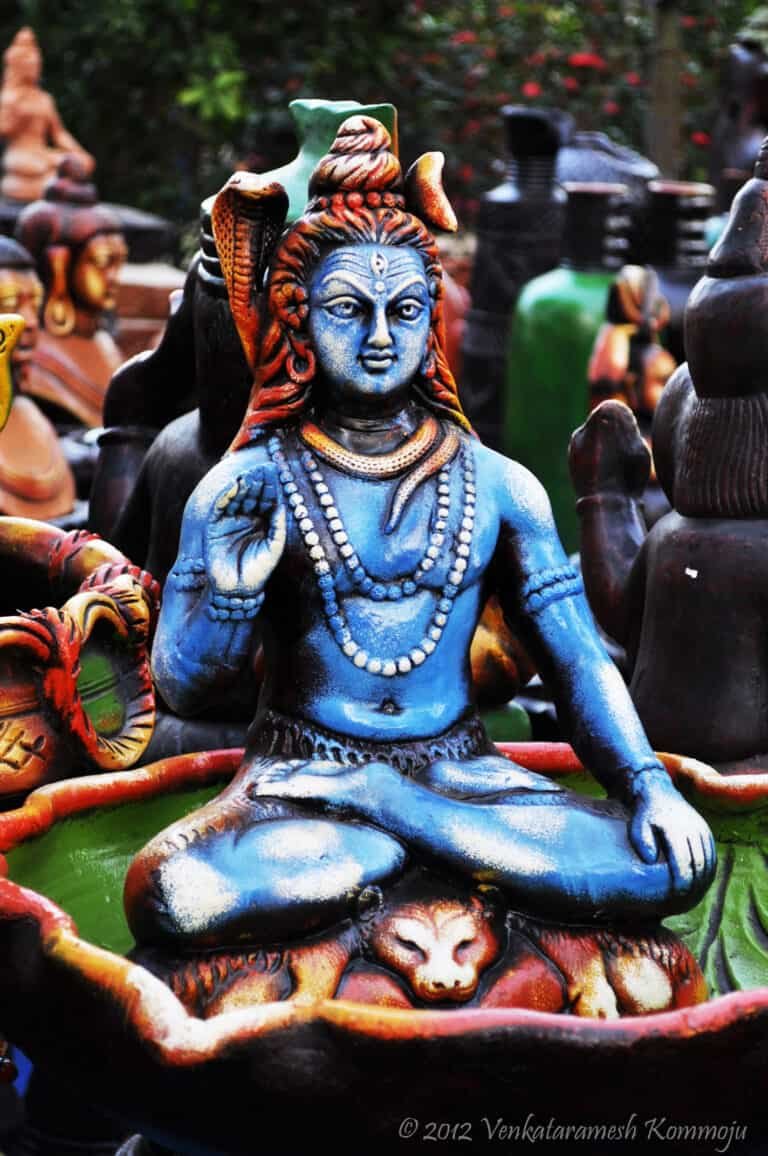
In the yogic tradition, there is talk of dharma. Dharma is our duty in life, in the form of that which is righteous.
Two fates of the Yogic tradition, namely Aryunas and Ramas, shows examples of this. They are the two heroes of the Indian epic Mahabharata (Bhagavad Gita) and Ramayana.
Prince Aryuna is born into a situation where he will have to fight his cousins, who want to create a society that would bring suffering to the people.
Prince Rama loses his right to the kingdom for an extended period of time to his half-brother, through his father’s ill-considered promise to one of his wives. But through this, he carries on his life’s mission ,as avatar of Vishnu, to defeat the demon Ravana.
In both cases, they are born into a lifecastle decided by the actions of previous generations. And if we are to be completely honest, even if we are not born princes or princesses, we are all born into already existing conditions. Even if we tackle these based on the special abilities/ talents that we were born with.
Dharma cannot therefore be seen only as something individual, but must also be understood as a baton that we take over.
Some of the things we take over are the consequences of unhealed trauma in the generations before.
Whatever lot we have received, it is our task to raise awareness and heal what has been transferred. Or to otherwise be doomed to repeat it, or project the drama onto others, thereby seeing it repeated endlessly.
It is interesting to compare this with the concept of original sin within Christianity.